NORD Calls for Substantive Changes to Medicaid Work Requirement Rule
PR Newswire
NORWELL, Mass., July 31, 2026
NORD Submits Formal Comments to CMS Urging Changes to Align the Final Rule with Congressional Intent and Protect Medically Frail People with Rare Diseases
NORWELL, Mass., July 31, 2026 /PRNewswire/ -- The National Organization for Rare Disorders (NORD®) today urged the Centers for Medicare & Medicaid Services (CMS) to revise its Interim Final Rule implementing Medicaid Community Engagement (Work) Requirements, warning that the rule could unintentionally cause eligible people living with rare diseases to lose Medicaid coverage unless additional patient protections are added. NORD submitted formal comments, outlining recommendations to better align the rule with congressional intent and protect medically frail individuals.
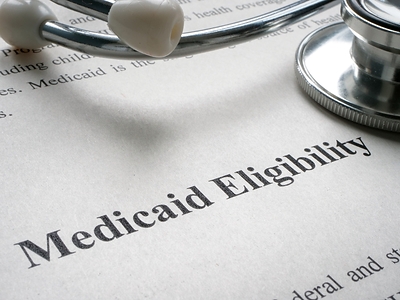
"We appreciate CMS providing the opportunity to comment on this rule, but without meaningful changes, people living with rare diseases could face unnecessary administrative barriers that threaten access to Medicaid coverage," said Kathryn Lowell, Executive Vice President, Government Affairs at NORD. "Congress created an exemption for medically frail individuals, yet the interim rule adds an additional 'ability to work' test that was never part of congressional intent. We urge CMS to align the final rule with the law as Congress intended by removing that requirement and giving states the flexibility and tools they need to accurately identify medically frail patients and ensure they remain eligible for the care on which they depend."
NORD's recommendations include:
- Eliminate the Additional Work Ability Test: Remove the additional 'ability to work' test from the medical frailty exemption and align the rule with congressional intent.
- Use the NORD® Rare Disease Database as a Reference Resource: Recognize the NORD® Rare Disease Database as a supplemental resource to help verify whether a condition is considered rare and to better identify medically frail individuals whose conditions may not be captured through traditional diagnosis codes. The NORD Rare Disease Database is a comprehensive, continuously updated resource that includes information on more than 10,000 rare diseases. The rare disease list was developed in collaboration with MONDO, a platform that unifies leading rare disease ontologies and classification systems, including Orphanet and Online Mendelian Inheritance in Man (OMIM).
- Expand Eligibility for Medical Frailty: Expand how patients qualify for medical frailty, allowing clinician attestation and other clinical evidence — not diagnosis codes alone — to determine eligibility.
- Protect Patients Participating in Clinical Trials: Protect patients participating in clinical trials, which are often the only available treatment option for rare diseases, by recognizing trial participation and travel for treatment when determining exemptions.
- Provide Permanent Exemptions for Lifelong Conditions: Provide permanent exemptions for people living with lifelong, degenerative, or terminal rare diseases.
- Give States the Flexibility to Protect Patients: Give states greater implementation flexibility, including preserving self-attestation options to reduce administrative errors and prevent eligible patients from losing coverage.
More than 30 million Americans live with one of over 10,000 known rare diseases, yet fewer than 500 rare diseases have unique ICD-10 diagnostic codes. NORD cautions that relying primarily on diagnosis codes or narrow administrative criteria could cause eligible patients to be overlooked simply because their condition cannot be readily identified in existing systems.
"A person's ability to access Medicaid should not depend on a ZIP code," Lowell said. "Congress intended to protect medically frail individuals, and those protections should be applied consistently in every state and not left to varying interpretations or administrative limitations."
"Medicaid has been a lifeline for millions of Americans, and we must ensure it remains the safety net for patients and families," added Lowell. "Over the past several months, NORD has worked closely with state Medicaid leaders to provide practical implementation guidance and resources. We urge CMS to adopt these recommendations, so states have the flexibility and tools they need to accurately identify medically frail patients, reduce unnecessary coverage disruptions, and protect access to care for eligible people living with rare diseases. NORD remains committed to partnering with CMS and state Medicaid agencies throughout this implementation process."
About the National Organization for Rare Disorders
Founded in 1983, the National Organization for Rare Disorders (NORD®) is a leading independent nonprofit organization dedicated to improving the health and lives of more than 30 million Americans with rare diseases. In partnership with more than 350 disease-specific member patient organizations and 49 designated NORD Rare Disease Centers of Excellence, NORD advances care, research, education, and advocacy on behalf of the rare disease community. Learn more at rarediseases.org.
 View original content to download multimedia:https://www.prnewswire.com/news-releases/nord-calls-for-substantive-changes-to-medicaid-work-requirement-rule-302840065.html
SOURCE National Organization for Rare Disorders (NORD®)

