Memorial Brings the Future of Heart Imaging to South Florida
PR Newswire
PEMBROKE PINES, Fla., Aug. 19, 2026
Advanced technology gives physicians an unprecedented view inside the heart, helping detect disease earlier and with greater precision
PEMBROKE PINES, Fla., Aug. 19, 2026 /PRNewswire/ -- Imagine trying to read the fine print on a page through a fogged window. Important details are there, but they're difficult to see clearly.
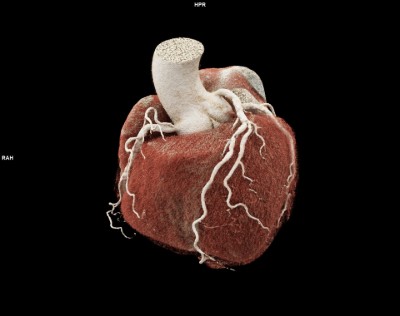
Now imagine that window suddenly becoming crystal clear.
That's the difference Memorial Healthcare System's newest cardiac imaging technology can make for radiologists.
Memorial is the first healthcare system in South Florida to dedicate the world's most advanced photon-counting CT scanner exclusively to cardiac imaging. The Siemens NAEOTOM Alpha provides physicians with an extraordinarily detailed look inside the heart, revealing tiny coronary arteries, dangerous plaque and other abnormalities with a level of clarity that was not previously possible with conventional CT technology.
For physicians, that could mean the difference between identifying heart disease before it becomes a heart attack and discovering it only after permanent damage has occurred in their patients.
"Every day, we care for patients who come to us with chest pain, shortness of breath or risk factors for heart disease," said Shane Strum, interim CEO of Memorial Healthcare System. "This technology allows our physicians to see more, know more and act sooner. It's another example of Memorial's commitment to bringing the most advanced care available to the communities we serve."
Heart disease remains the leading cause of death in the United States, often developing silently over many years. As plaque gradually builds inside the coronary arteries, blood flow to the heart becomes restricted. Detecting those changes early can give patients the opportunity to make lifestyle changes, begin medications or receive treatment before a life-threatening event occurs.
Traditional CT scanners have transformed heart imaging over the past two decades, but they still have limitations. Calcium deposits can appear larger than they really are, making arteries seem more blocked than they actually are. Small vessels can be difficult to evaluate and metal stents may obscure important details.
The NAEOTOM Alpha changes that.
Its photon-counting technology captures each individual X-ray photon, producing remarkably sharp, high-resolution images that allow physicians to see the heart in unprecedented detail. Tiny coronary arteries become clearer. Plaque can be characterized more accurately. Even patients with heavily calcified arteries or prior stents, often among the most difficult to image, can benefit from greater diagnostic confidence. The technology also delivers these images while using less radiation than many conventional CT systems.
Memorial further enhances those images with HeartFlow FFRCT, an AI-enabled technology that transforms the scan into a personalized three-dimensional model of the patient's coronary arteries. Together, the technologies help physicians not only see potential blockages more clearly but also better understand whether those blockages are limiting blood flow to the heart, leading to more informed treatment decisions and in many cases, helping patients avoid unnecessary invasive procedures.
"Think of it as the difference between watching an old standard-definition television and today's ultra-high-definition displays," said Dr. Vamsi Pavuluri, medical director of cardiac imaging operations at Memorial Cardiac and Vascular Institute. "Now we're seeing with a level of clarity that wasn't previously possible, while also gaining valuable information about how blood is flowing through the coronary arteries. That combination allows us to make more precise decisions about each patient's care and determine who may benefit from an invasive coronary intervention and who needs medical therapy optimized."
For many patients, the technology may also reduce the need for cardiac catheterization to simply determine whether a blockage exists.
Beyond diagnosing coronary artery disease, the scanner supports patients with congenital heart disease, structural heart conditions, valve disease and those preparing for minimally invasive cardiac procedures. It also improves the evaluation of bypass grafts, coronary stents and complex heart anatomy.
For patients, the benefits are simple: earlier answers, more precise diagnoses and greater peace of mind.
The addition of this technology reflects Memorial's continued investment in providing patients with access to the most advanced cardiovascular care available, close to home.
The NAEOTOM Alpha is located at the newly redesigned home of Memorial Cardiac and Vascular Institute at Memorial Hospital West in Pembroke Pines. For more information about Memorial Cardiac and Vascular Institute, visit mhs.net.
About Memorial Healthcare System
South Florida-based Memorial Healthcare System is a national leader in quality care and patient, physician and employee satisfaction. Its commitment to deeper caring, smarter health and community outreach prioritizes a person-centered approach that has delivered safe, positive outcomes for more than 70 years.
Memorial is committed to healing the body, mind and spirit of those in its care. For more information, visit mhs.net and connect on Facebook, X, Instagram, YouTube and LinkedIn.
 View original content to download multimedia:https://www.prnewswire.com/news-releases/memorial-brings-the-future-of-heart-imaging-to-south-florida-302854849.html
SOURCE Memorial Healthcare System

